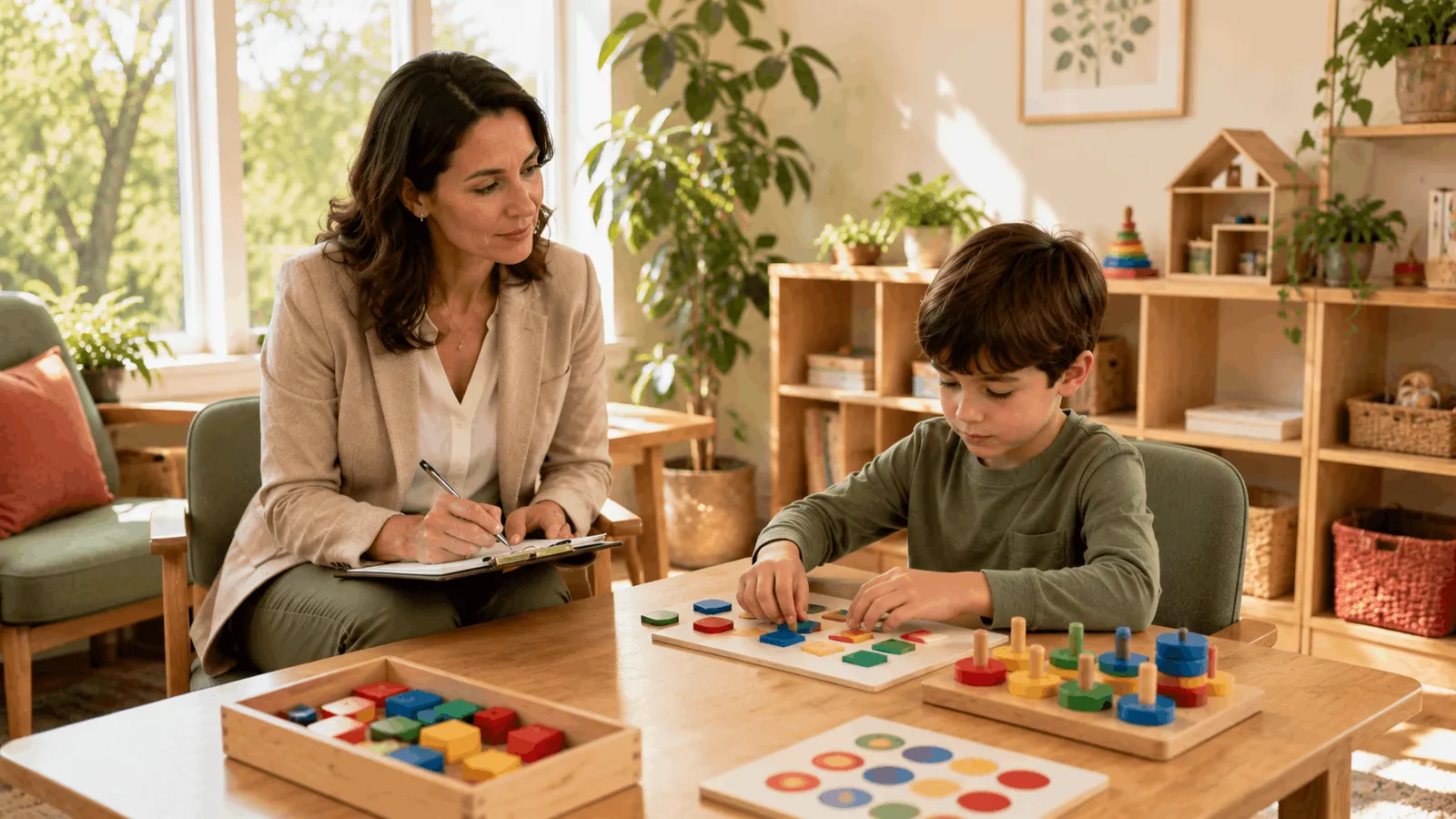
Psychological testing and evaluation at Shanti Orange County answers specific questions about how you learn, focus, regulate mood, or process trauma, using standardized assessments and a written report you can use for next steps.
What Testing Is For
Referrals often include:
- Learning disabilities and academic accommodations
- ADHD screening for adults or students
- Mood disorders: depression, bipolar considerations
- Trauma histories affecting daily functioning
- Treatment planning when counseling needs clearer diagnostic clarity
Testing is not a quick online quiz. It is a structured clinical process over multiple sessions, followed by interpretation and documentation.
How the Process Works
- Intake. Call (949) 452-0888 or use Contact. Describe why you are seeking testing and any deadlines (school IEP, workplace accommodation).
- Matching. Intake routes you to the psychological testing team.
- Sessions. You complete interviews and standardized measures. Length depends on the battery selected.
- Report. You receive findings and recommendations. With your consent, copies can go to schools, physicians, or therapists.
Testing vs. Counseling
| Counseling | Testing | |------------|---------| | Ongoing talk therapy | Time-limited evaluation | | Goals you set weekly | Answers a defined question | | No formal report required | Written report delivered |
Many people start with therapy in Orange County first; testing is added when a letter, diagnosis clarity, or accommodation plan is needed.
Cost and Insurance
Fees and insurance acceptance vary by assessment. Intake explains costs before you commit. Shanti accepts many insurance plans, including CalOptima, for eligible services, but confirm coverage for testing specifically when you call.
Coordination With Other Programs
Testing pairs with:
- Individual mental health counseling for follow-up treatment
- Teen services when students need support after results
- Case management when HIV or benefits navigation is also active
See Programs & services for how testing fits our four programs.
Confidentiality and Stigma
Psychological labels can feel heavy. Clinicians discuss results sensitively and focus on what helps, not pathology for its own sake. You choose who receives the report.
Request an Evaluation
Begin at First visit or call (949) 452-0888 (Mon–Fri, 9 am – 5 pm PT). Bring school or medical referral letters if you have them, but lack of paperwork should not stop you from asking.
What Shanti Assesses
The referral questions we take on:
- Specific learning disorders
- ADHD, for students and adults
- Mood concerns, including depression and bipolar considerations
- Executive functioning
- Personality disorders
- Thought disorders
- Trauma (PTSD)
- Autism spectrum disorder
Assessments are available for individuals aged 6 and up.
What Shanti Does Not Assess
Equally important, and rarely stated plainly enough to save anyone a phone call. Shanti Orange County does not currently provide:
- Disability assessments
- Parenting assessments, or any assessment related to divorce
- Forensic or court assessments, including custody, risk, and competency evaluations
If a court, an attorney, or a disability claim is driving the request, this is not the right office. Ask intake and we will point you elsewhere rather than start a process that cannot answer your question.
What the Appointments Look Like
An evaluation runs across several appointments, not one long afternoon.
- Intake appointment. A detailed history and a picture of current functioning. For children, this includes a parent or legal guardian.
- Testing appointments. Often two to three sessions of two to four hours each, scheduled around age, the assessments required, and individual needs. Children should be accompanied by a parent or guardian.
- Interpretation and report. The written report is the deliverable, and it is what makes the process useful to a school, an employer, or another clinician.
Testing typically spans two to four weeks end to end. Many insurance plans are accepted for testing, though coverage varies by plan and verification happens at intake.
Nothing to Study For
The single most common worry is preparation. There is none. An evaluation is designed to produce an accurate picture of how you actually function, so studying would defeat the purpose. Sleep normally, bring glasses or hearing aids if you use them, and bring any paperwork a school or physician has already given you.
You are welcome to contact your evaluator with questions before the appointment.
Who Sees the Results
You do. Beyond that, releases follow confidentiality rules and you control most disclosures. If the point of the evaluation is to secure school or workplace accommodations, the report is written to be shared, but sharing it is your decision and it happens with your consent.
Raise this at intake if you have a specific concern about a school, an employer, or a family member.
Requesting an Evaluation
You can self-refer. A physician's referral is not required, though some schools and doctors do refer, and any paperwork you already have is useful.
Call 949-452-0888, Monday through Friday, 9 am to 5 pm PT, or email [email protected]. The Laguna Hills location is at 23461 South Pointe Dr., Suite 100, with free parking on site.