Child Psychological Testing: Identifying Learning and Behavioral Challenges Early
Every child develops at their own pace, but there are times when ongoing academic, emotional, or behavioral concerns may signal the need for a closer look. Difficulties with learning, attention, communication, or emotional regulation can affect a child's confidence and success both inside and outside the classroom. Understanding the reasons behind these challenges is often the first step toward providing meaningful support. At Shanti Orange County, we believe that gaining a clearer understanding of a child's strengths and areas for growth can help families make informed decisions about the next steps.
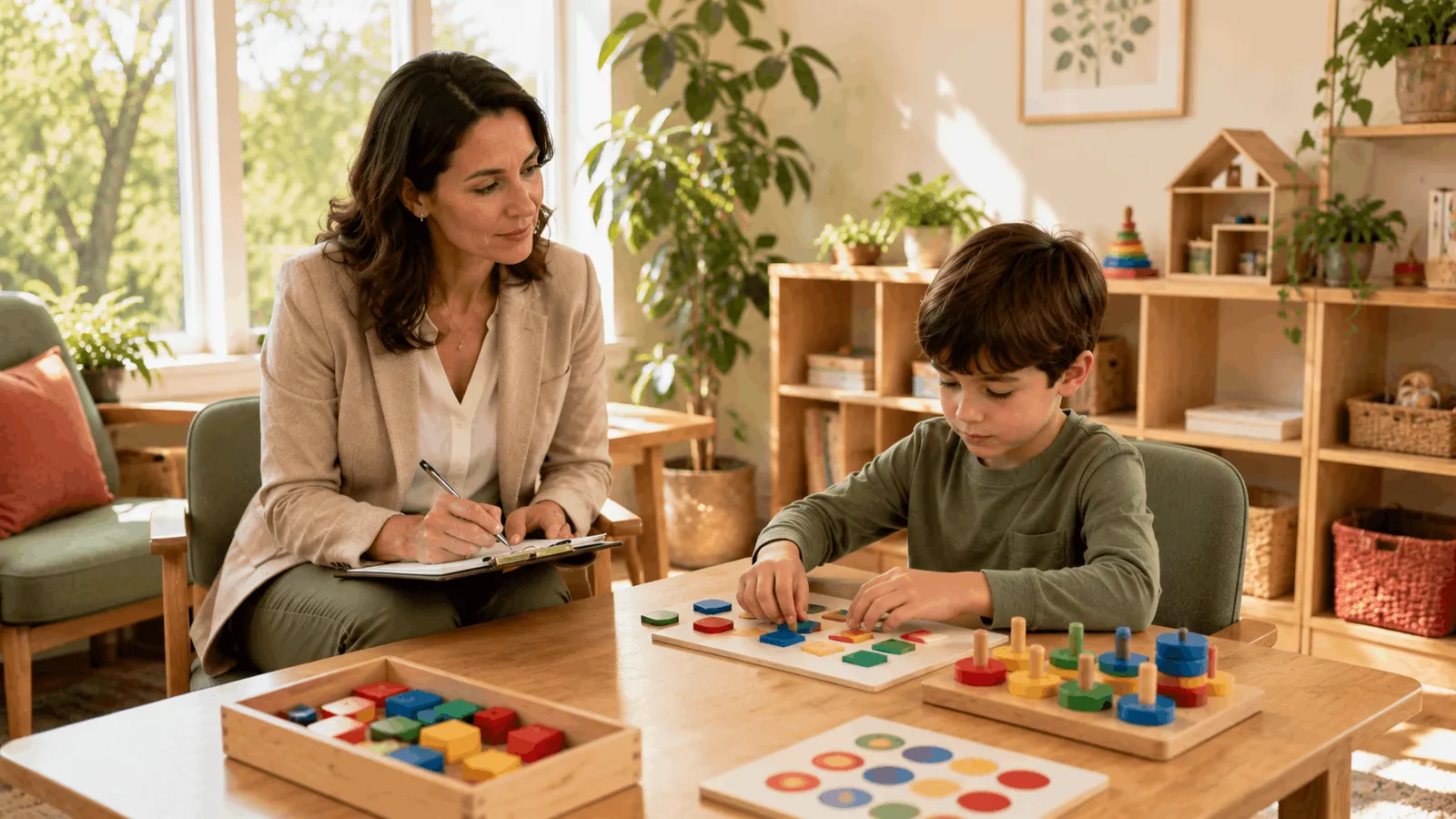
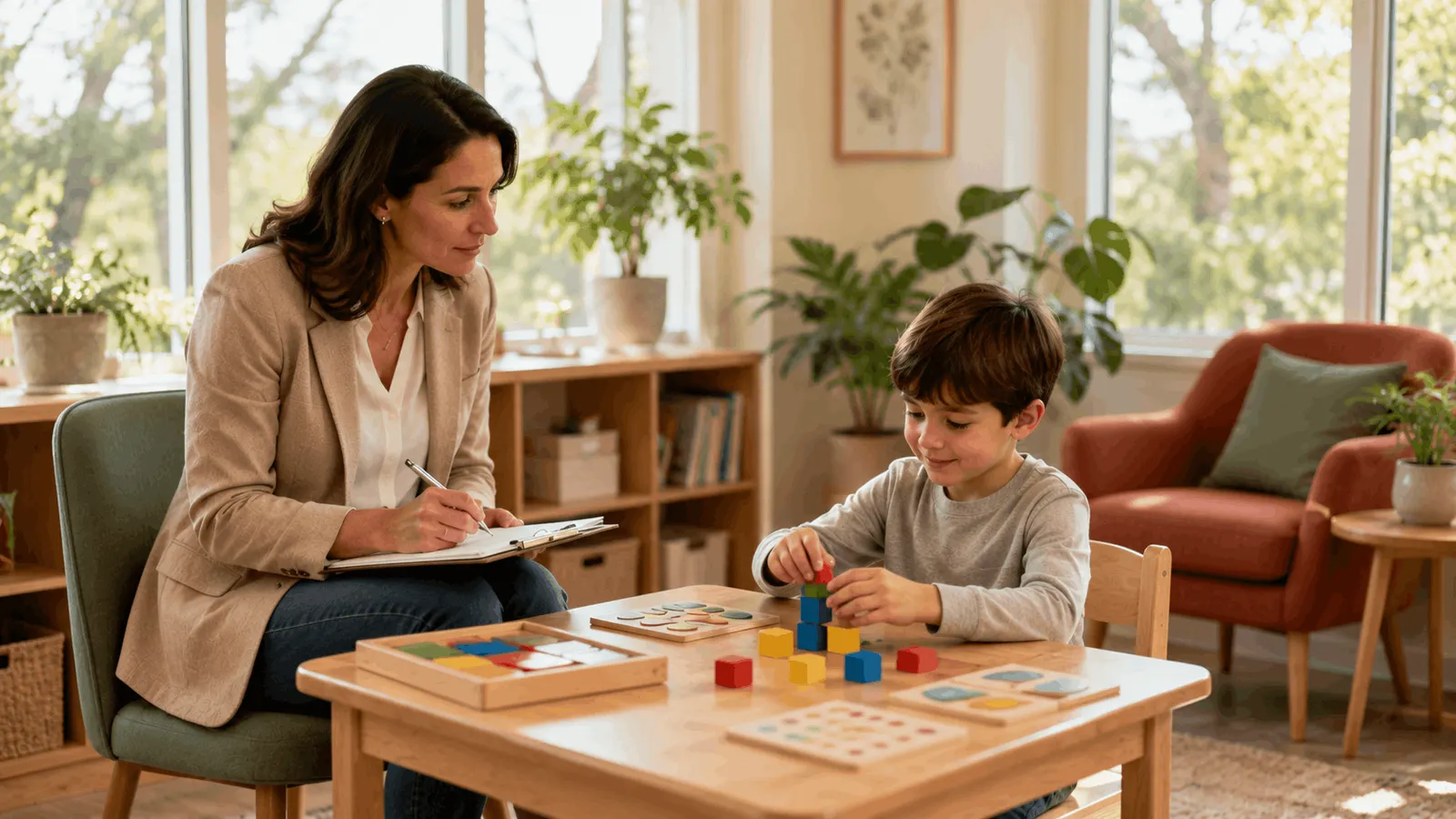
Child psychological testing provides a comprehensive evaluation of how a child thinks, learns, behaves, and processes emotions. Rather than relying on assumptions or observations alone, psychological testing uses interviews, questionnaires, and standardized assessments to provide objective information about a child's functioning. This information can help parents, caregivers, educators, and healthcare providers better understand the factors influencing a child's development and daily experiences.
Early identification is important because children benefit most when concerns are recognized and addressed before they become more significant. Whether a child is struggling academically, experiencing behavioral changes, or having difficulty managing emotions, psychological testing can provide valuable answers that guide appropriate support and intervention.
Detailed Breakdown
What Is Child Psychological Testing?
Child psychological testing is a structured evaluation process designed to better understand a child's cognitive abilities, emotional functioning, behavior, personality, and developmental needs. At Shanti Orange County, psychological testing combines interviews, questionnaires, record reviews, behavioral observations, and standardized psychological assessments to develop a comprehensive understanding of each individual.
Unlike brief screenings, psychological testing examines multiple aspects of a child's functioning to identify patterns that may not be immediately apparent. The goal is not simply to assign a diagnosis but to provide meaningful information that supports appropriate treatment planning, educational recommendations, and personal growth.
Our Psychological Testing & Evaluation services are available for individuals ages six and older and are tailored to address each person's unique concerns through a comprehensive assessment process.
Signs That a Child May Benefit From Psychological Testing
Children express challenges in different ways depending on their age, personality, and environment. While occasional academic or behavioral struggles are a normal part of development, persistent concerns may indicate that a comprehensive evaluation would be beneficial.
Some signs that child psychological testing may be appropriate include:
- Ongoing academic difficulties despite effort.
- Problems maintaining attention or staying organized.
- Frequent emotional outbursts or mood changes.
- Difficulty following directions or completing tasks.
- Concerns about social interactions with peers.
- Behavioral challenges at home or school.
- Questions about developmental progress.
- Significant changes in behavior following stressful experiences.
Identifying these concerns early allows families to better understand what their child is experiencing and begin exploring appropriate resources and support.
Conditions Psychological Testing May Help Evaluate
Psychological testing provides valuable information about a variety of developmental, emotional, and behavioral concerns. Depending on the reason for the referral, the evaluation may assess multiple areas of functioning to develop a complete clinical picture.
Based on the evaluation services available at Shanti Orange County, assessments may help evaluate:
- Attention-Deficit/Hyperactivity Disorder (ADHD)
- Autism Spectrum Disorder
- Specific Learning Disorders
- Executive functioning concerns
- Mood disorders
- Trauma-related concerns, including PTSD
- Personality functioning
- Thought disorders
Because every child presents differently, the evaluation process is individualized to ensure testing addresses the specific concerns identified during the initial consultation.
What Families Can Expect During the Evaluation Process
Beginning psychological testing can feel overwhelming for parents, especially when they are unsure what the process involves. Understanding each step helps families feel more prepared and confident.
The evaluation process generally includes:
- A clinical interview to gather background information.
- Review of relevant records and history.
- Completion of standardized psychological assessments.
- Questionnaires and behavioral measures.
- Interpretation of testing results.
- A comprehensive written report with individualized recommendations.
- A feedback session to review findings and answer questions.
Parents or legal guardians participate in the intake session for children, while the testing itself is generally completed one-on-one with the child. The evaluation process is typically completed over multiple sessions spanning approximately two to four weeks.
Families preparing for an evaluation can learn more about the process by visiting our First Visit page, which outlines what to expect before beginning services.
Why Early Identification Matters
When learning or behavioral challenges go unidentified, children may become frustrated, lose confidence, or struggle to reach their full potential. Early psychological testing helps provide a clearer understanding of what a child is experiencing, allowing families to make informed decisions about appropriate support and intervention before concerns become more significant.
An accurate evaluation can also reduce uncertainty for parents who have been searching for answers. Rather than relying on trial and error, families receive objective information that can guide conversations with educators, healthcare providers, and other professionals. Understanding a child's strengths alongside areas of concern creates a more balanced picture that supports long-term success.
Just as importantly, early identification allows interventions to be tailored to the child's specific needs instead of using generalized approaches that may not address the underlying challenges.
How Experienced Professionals Support Families
Psychological testing is more than administering assessments—it involves carefully interpreting results within the context of a child's developmental history, daily functioning, and unique circumstances. An experienced evaluation team helps families understand what the findings mean and how they can be applied in everyday life.
Our Shanti Orange County Team is committed to providing compassionate, evidence-informed care throughout the evaluation process. Families receive clear explanations of testing results, individualized recommendations, and guidance that supports informed decision-making while respecting each child's unique strengths and needs.
This collaborative approach helps parents feel more confident as they move forward with educational planning, therapeutic support, or additional services when appropriate.
Understanding the Value of a Comprehensive Evaluation
Every child has a unique combination of abilities, personality traits, and life experiences. Because of this, psychological testing does not rely on a single assessment or questionnaire. Instead, multiple sources of information are considered to develop a comprehensive understanding of the child's overall functioning.
The evaluation process is designed to:
- Identify strengths as well as areas of concern.
- Clarify factors contributing to learning or behavioral difficulties.
- Provide individualized recommendations based on assessment findings.
- Support future treatment or educational planning.
- Help families better understand their child's needs.
If you would like to learn more about the evaluation process and the benefits of comprehensive assessments, our article on Psychological Testing at Shanti OC provides additional information about how psychological evaluations can support individuals and families.
Taking the Next Step
Choosing psychological testing is not about placing labels on a child. Instead, it is about gaining valuable information that helps families better understand how a child learns, behaves, and processes emotions. With greater understanding comes the opportunity to provide meaningful support that encourages confidence, growth, and long-term success.
Whether concerns involve academic performance, attention, emotional regulation, or behavior, early evaluation can provide important answers that guide future decisions. Taking action today may help prevent ongoing challenges while creating opportunities for children to receive the support they need to thrive.
If you have questions about our evaluation services or would like to discuss whether psychological testing may be appropriate for your child, we encourage you to Contact Shanti Orange County. Our team is here to provide guidance and help you determine the most appropriate next steps for your family's needs.