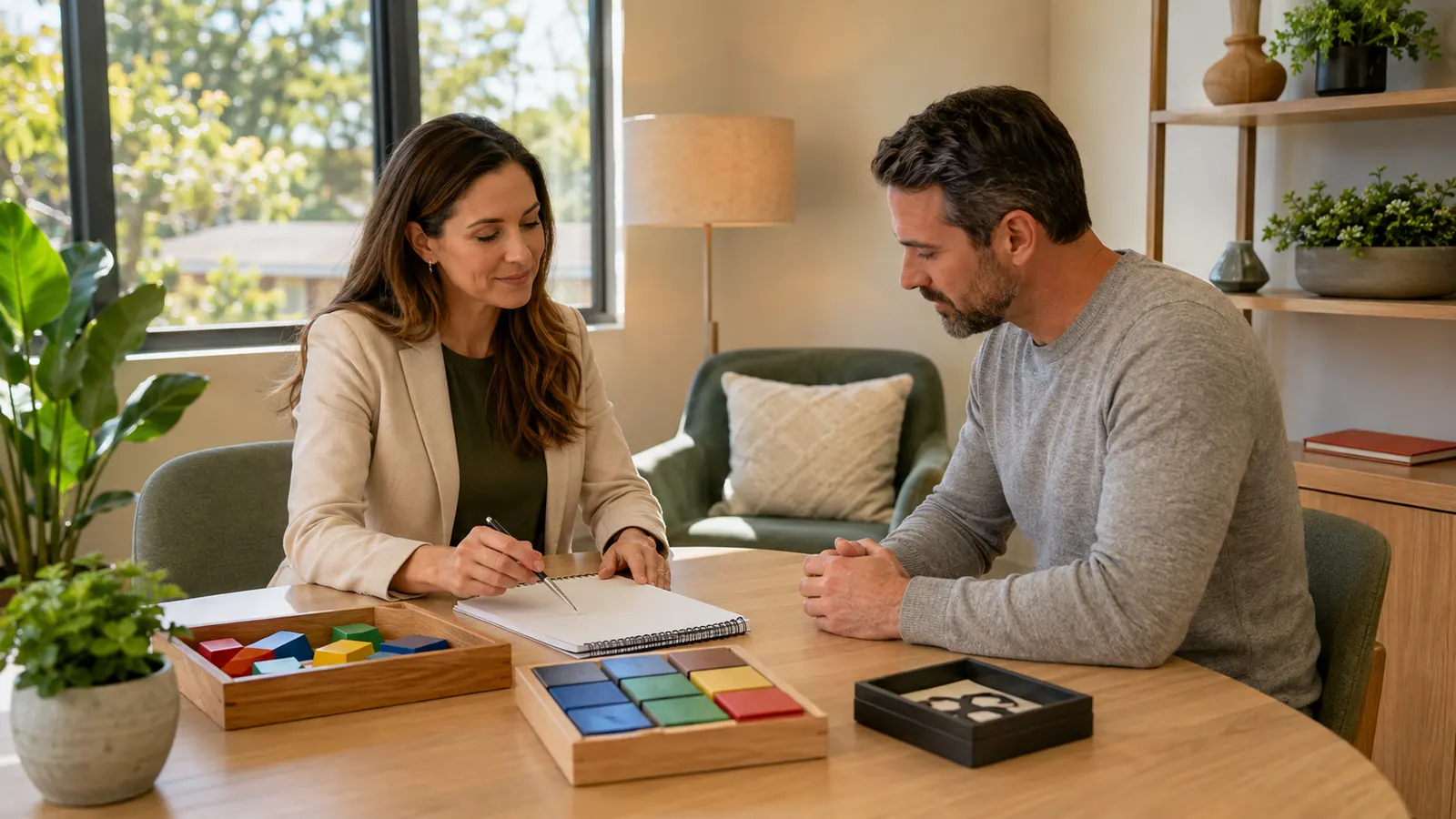
Psychological Testing for Children: What Parents Should Know Before Scheduling an Evaluation
As a parent, it is natural to have questions when your child experiences ongoing academic, behavioral, emotional, or developmental challenges. You may wonder whether their struggles are part of typical development or if additional support could help them succeed. Psychological testing for children can provide valuable insights that help families better understand their child's unique strengths, areas of concern, and the most appropriate next steps. At Shanti Orange County, we recognize that seeking answers can feel overwhelming, but having clear information can make the process much more manageable.
Psychological testing is more than completing a series of assessments. It is a comprehensive evaluation that gathers information through interviews, standardized testing, behavioral observations, questionnaires, and record reviews to develop a complete understanding of a child's cognitive, emotional, behavioral, and developmental functioning. The goal is to provide families with meaningful recommendations that support their child's growth at home, in school, and in everyday life.
Understanding how the evaluation process works before scheduling an appointment can help parents feel more confident and prepared. By knowing what to expect, families can approach the experience with greater peace of mind while ensuring their child receives the support they need.
Detailed Breakdown
Understanding What Psychological Testing for Children Involves
Psychological testing for children is a structured evaluation designed to better understand how a child thinks, learns, behaves, and processes emotions. Rather than relying solely on observations or academic performance, the evaluation combines multiple sources of information to create a comprehensive picture of the child's overall functioning.
At Shanti Orange County, evaluations may include clinical interviews, questionnaires, behavioral observations, standardized psychological assessments, and a review of relevant records. This thorough approach allows psychologists to better understand the factors contributing to a child's challenges while recognizing their individual strengths.
Our Psychological Testing & Evaluation services are available for individuals ages six and older and are tailored to address each person's specific concerns through a comprehensive assessment process.
Reasons Parents May Consider Psychological Testing
Children grow and learn in different ways, but persistent concerns sometimes indicate the need for additional evaluation. Psychological testing helps clarify the reasons behind these challenges so families can make informed decisions about appropriate support.
Parents may consider scheduling an evaluation if their child experiences:
- Ongoing academic struggles.
- Difficulty maintaining attention or completing tasks.
- Behavioral challenges at home or school.
- Emotional changes that interfere with daily functioning.
- Social difficulties with peers.
- Concerns about developmental progress.
- Questions regarding learning differences.
- Changes in behavior following stressful or traumatic experiences.
Seeking an evaluation does not mean something is "wrong" with your child. Instead, it provides objective information that helps families better understand how to support their child's unique needs.
What Happens Before the Evaluation Begins?
Many parents are unsure what happens before psychological testing starts. The process begins with gathering important background information that helps guide the evaluation.
Families can generally expect:
- An intake interview with a parent or legal guardian.
- Discussion of developmental, educational, and medical history.
- Review of any relevant records.
- Identification of the concerns that prompted the evaluation.
- Planning for the testing sessions based on the child's individual needs.
For additional information about preparing for your appointment, our First Visit page explains what families can expect before beginning services.
What Conditions Can Psychological Testing Help Evaluate?
Psychological testing is designed to assess a broad range of cognitive, emotional, behavioral, and developmental concerns. Every evaluation is individualized based on the referral questions and presenting concerns, allowing psychologists to gather meaningful information that supports accurate recommendations.
According to the evaluation services offered by Shanti Orange County, assessments may help evaluate:
- Attention-Deficit/Hyperactivity Disorder (ADHD)
- Autism Spectrum Disorder
- Specific Learning Disorders
- Executive functioning concerns
- Mood disorders
- Trauma-related concerns, including PTSD
- Personality functioning
- Thought disorders
The purpose of the evaluation is not simply to identify concerns but to better understand the child's overall functioning and provide recommendations that support future success.
How Parents Are Involved Throughout the Process
Parents and legal guardians play an essential role in psychological testing for children. Their observations and insights provide valuable context about a child's development, behavior, academic experiences, and emotional well-being that cannot be measured through testing alone. This information helps psychologists develop a more complete understanding of the child's unique situation.
At Shanti Orange County, parents or legal guardians participate in the intake session, where they discuss their child's history, current concerns, and goals for the evaluation. While the testing sessions are generally completed one-on-one with the child, parental involvement remains an important part of the overall assessment process. Families also participate in the feedback session, where results and recommendations are reviewed in detail, ensuring parents leave with a clear understanding of the findings and the recommended next steps.
What Happens After the Evaluation Is Complete?
Many parents assume psychological testing ends once the assessments are finished, but the evaluation process continues beyond the testing sessions. After all assessment data has been reviewed, the psychologist carefully analyzes the results and prepares a comprehensive report that explains the findings in a clear and meaningful way.
The report includes individualized recommendations based on the child's strengths, challenges, and evaluation results. These recommendations can help guide future educational planning, therapeutic services, or additional support that may benefit the child. Rather than providing a one-size-fits-all solution, the evaluation offers practical guidance that reflects each child's unique needs and circumstances.
To better understand the comprehensive evaluation process and what families can expect, our article on Psychological Testing at Shanti OC provides additional insights into how psychological assessments support informed decision-making.
Why Choosing an Experienced Evaluation Team Matters
A comprehensive psychological evaluation requires more than administering standardized assessments. It also requires clinical expertise to interpret results accurately, understand the relationship between different areas of functioning, and provide recommendations that are both practical and individualized.
Our Shanti Orange County Team is committed to providing compassionate, evidence-informed care throughout every stage of the evaluation process. We recognize that every child has unique strengths and challenges, which is why our evaluations are designed to provide families with clear information they can use to make confident decisions about future support.
Choosing an experienced team helps ensure that families receive a thoughtful evaluation that focuses not only on identifying concerns but also on recognizing each child's abilities and potential for growth.
Taking the Next Step with Confidence
Scheduling psychological testing for children is an important decision, but it is also an opportunity to gain valuable answers that support your child's development. Whether concerns involve learning, attention, emotional regulation, or behavior, a comprehensive evaluation can provide the clarity families need to move forward with confidence.
Early identification allows parents to better understand their child's needs and access appropriate support sooner rather than later. Rather than waiting for concerns to become more significant, psychological testing provides a proactive approach that helps children receive individualized recommendations based on objective information.
If you have questions about our evaluation services or would like to discuss whether psychological testing may be appropriate for your child, we encourage you to Contact Shanti Orange County. Our team is here to answer your questions and help you determine the most appropriate next steps for your family.