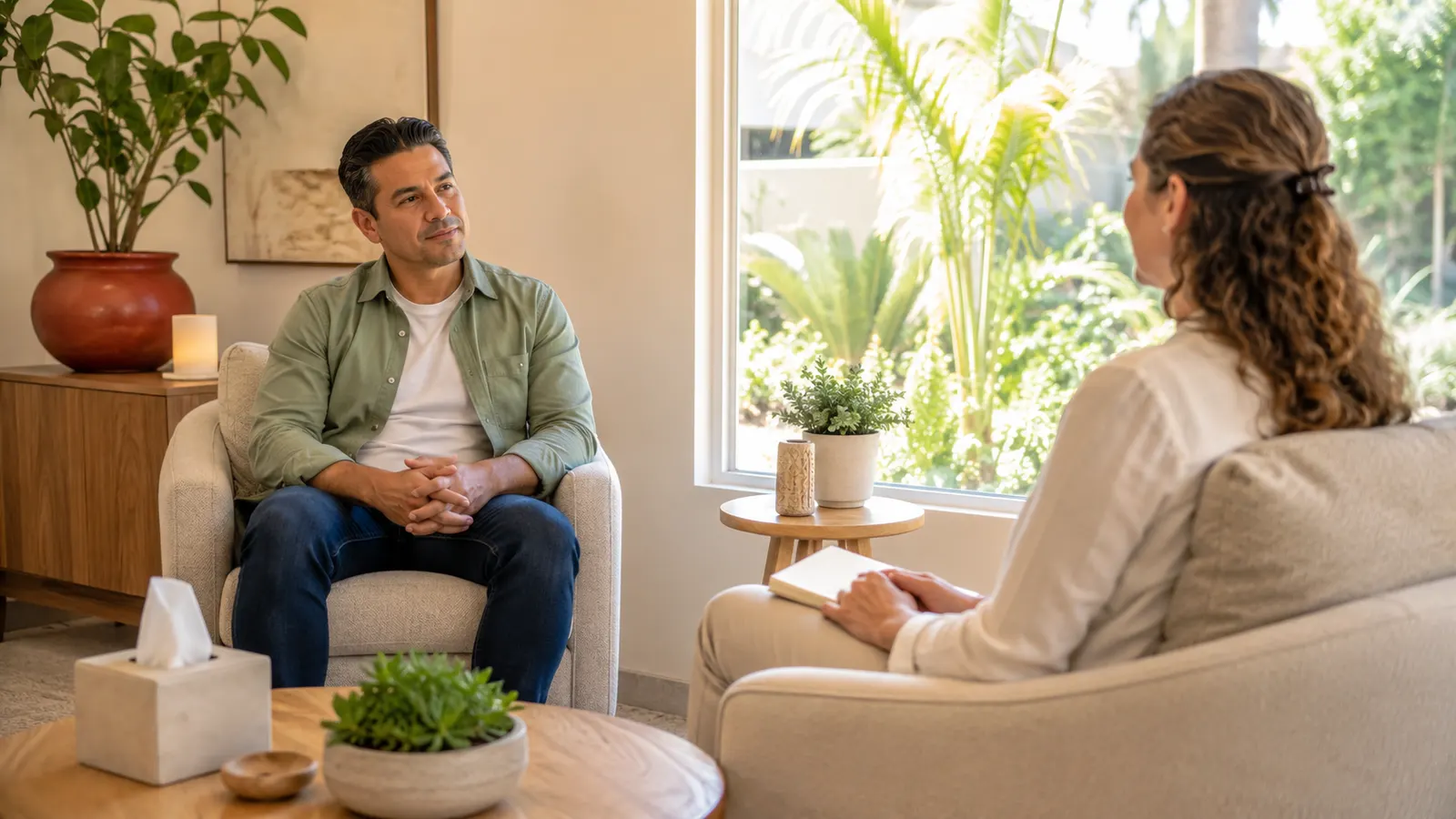
Searching for HIV counseling services usually means you’re looking for more than information. You’re looking for support that helps you cope, process, and move forward.
Living with HIV isn’t just a physical health journey. It affects mental and emotional well-being in ways that are often overlooked. Stress, stigma, uncertainty, and isolation can build up over time, even when medical treatment is going well.
That’s where organizations like Shanti Orange County play a critical role. Mental health support isn’t an extra. It’s a core part of living well with HIV.
If you’re in Orange County and exploring HIV counseling services, this guide breaks down why they matter and how they can help long-term. You can start with mental health counseling, along with support groups and case management.
Living With HIV Affects More Than Physical Health
HIV treatment has advanced significantly, but mental health challenges remain a major part of the experience.
People living with HIV often face:
- Anxiety about health and the future
- Depression or emotional fatigue
- Social stigma or fear of disclosure
- Isolation from others
This is why HIV counseling services are essential. They address the emotional side of living with HIV, not just the medical side. See also HIV stigma and mental health.
What HIV Counseling Services Actually Do
HIV counseling services provide structured mental health support tailored to your experience.
Through mental health counseling, you can:
- Talk openly in a safe, confidential environment
- Learn coping strategies for stress and anxiety
- Work through difficult emotions
- Build resilience over time
This isn’t just about talking. It’s about developing tools that improve day-to-day life.
The Link Between Mental Health and Physical Health
Mental health directly affects how well you manage HIV.
When mental health is supported, people are more likely to:
- Stay consistent with medication
- Attend medical appointments
- Maintain healthier routines
When it isn’t, everything becomes harder. Combining HIV counseling services with medical care leads to better overall outcomes.
Reducing Isolation Through Connection
One of the biggest challenges of living with HIV is feeling alone.
While counseling provides one-on-one support, combining it with support groups adds another layer of connection. Groups allow you to:
- Share experiences with others who understand
- Learn from real-life perspectives
- Feel less isolated
Connection is a powerful part of healing. Explore HIV support resources in Orange County and Shanti’s support groups.
Managing Real-Life Challenges
Living with HIV often means navigating healthcare, finances, housing, and more.
That’s where case management services come in. They help you:
- Access resources
- Coordinate care
- Reduce stress related to logistics
When these challenges are managed, it becomes easier to focus on your mental health. Read our HIV case management guide.
Building Long-Term Coping Skills
Counseling isn’t only about the present. It prepares you for the future.
Through services like community education, you can learn:
- Stress management techniques
- Emotional regulation strategies
- Practical ways to handle challenges
These skills help you stay stable even when life becomes unpredictable.
Getting the Right Level of Support
Everyone’s needs are different.
If you’re unsure what type of support you need, psychological testing and evaluation can help identify the right path forward so care is personalized and effective.
Taking the First Step
Starting mental health support can feel overwhelming, but it doesn’t have to be.
If you’re ready to explore HIV counseling services, reach out through the contact page or learn what to expect on your first visit. You don’t need everything figured out. Taking the first step is enough.
Common Misconceptions About HIV Counseling
“I only need counseling if I’m struggling.”
Counseling is helpful at any stage, not just during difficult moments.
“I should be able to handle this on my own.”
Support makes the process easier and more sustainable.
“Counseling won’t make a difference.”
The right support can significantly improve both mental and physical well-being.
Crisis Support
If you are in immediate distress, call or text 988 (Suicide & Crisis Lifeline). Shanti continues care during business hours for ongoing support. See 988 and Shanti.
Why Shanti Specifically
Plenty of counselors are competent. Fewer have spent nearly four decades on this particular terrain.
Shanti Orange County was founded in 1987 and mounted a formal HIV crisis response in 1993. That history means our clinicians are specialty-trained in chronic disease and illness navigation, not learning it from your case. Practically, that shows up as fewer sessions spent educating your therapist and more spent on what you came in for.
All services are LGBTQ-affirming, stated up front rather than left to be discovered.
What It Costs
- $65 per session with an unlicensed therapist, a masters-level clinician working under licensed supervision.
- $100 per session with a licensed therapist.
- Many insurance plans accepted, including CalOptima, for eligible services; intake verifies coverage.
Verification happens at intake. Bring your member ID, plan name, and date of birth if you have coverage.
Counseling, Groups, and Case Management Are Three Different Things
Worth separating, because people often ask for one and need another:
| Service | What it addresses | |---|---| | Individual counseling | Your history, mood, disclosure fears, coping | | HIV therapy group | Shared-diagnosis clinical work, weekly, by intake | | Círculo Latino | Free Spanish-language community circle, monthly | | Case management | Medical, dental, pharmacy, housing, benefits, food |
Most clients use more than one. Intake helps sequence them.
In Person or Remote
In person at our Laguna Hills office, 23461 South Pointe Dr., Suite 100, with free parking on site. Telehealth counseling is available throughout California, which matters when fatigue or distance makes the drive the barrier.
Staff work in English, Spanish, Farsi, and Hindi.
Confidentiality
Conversations between you and your counselor are private and protected. Releases follow confidentiality rules and you control most disclosures. If you have a specific concern about a family member, an employer, or your medical team, raise it at intake rather than testing it later.
Getting Started
Call 949-452-0888, Monday through Friday, 9 am to 5 pm PT, or email [email protected]. Enrollment paperwork typically arrives through Simple Practice within about a business day, and most callers are scheduled within one to two weeks, though timing can vary.
Outside office hours, 988 is free, confidential, and staffed 24/7.