Sexual Health Education: Helping Students Make Safer and More Informed Decisions
Growing up comes with many questions about health, relationships, personal boundaries, and making responsible decisions. Without access to reliable information, young people may rely on misinformation from peers, social media, or other unreliable sources, which can increase confusion and lead to unhealthy choices. Comprehensive sexual health education gives students accurate, age-appropriate information that helps them understand their health, make informed decisions, and develop lifelong skills that support their well-being. At Shanti Orange County, we believe that education plays a vital role in helping individuals and communities build healthier futures through knowledge, prevention, and access to trusted resources.
Sexual health education is about much more than discussing anatomy or disease prevention. It encourages open conversations about healthy relationships, communication, consent, personal responsibility, and overall wellness. By learning these important topics in a supportive educational environment, students become better prepared to make thoughtful decisions that positively impact their health and future.
Providing accurate information early allows young people to build confidence, recognize reliable sources of information, and develop skills that support healthy decision-making throughout adolescence and adulthood.
Detailed Breakdown
Why Sexual Health Education Matters
Young people are exposed to an overwhelming amount of information every day, but not all of it is accurate or trustworthy. Sexual health education provides factual, age-appropriate information that helps students separate myths from facts while developing the knowledge needed to make informed decisions.
Education also encourages students to think critically about their choices and understand how those choices can affect their physical, emotional, and social well-being. Rather than relying on assumptions or misinformation, students gain practical knowledge that supports healthier outcomes throughout adolescence and adulthood.
At Shanti Orange County, our Community Education programs are designed to provide evidence-informed education that promotes healthier communities through prevention, awareness, and access to reliable health information.
Building Knowledge That Supports Lifelong Health
One of the greatest benefits of sexual health education is that it provides students with knowledge they can apply throughout different stages of life. Learning about healthy relationships, communication, consent, and prevention helps young people develop confidence while encouraging responsible decision-making.
Sexual health education can help students:
- Understand healthy relationships.
- Develop respectful communication skills.
- Recognize the importance of consent.
- Learn strategies that support disease prevention.
- Make informed decisions based on accurate information.
- Know when and where to seek reliable health resources.
These life skills extend far beyond the classroom and contribute to healthier relationships and stronger communities.
Reducing Misinformation Through Education
Without comprehensive education, students often turn to unreliable sources for answers about sexual health. Information shared through friends, social media, or online content may be incomplete, misleading, or inaccurate, making it difficult for young people to distinguish facts from myths.
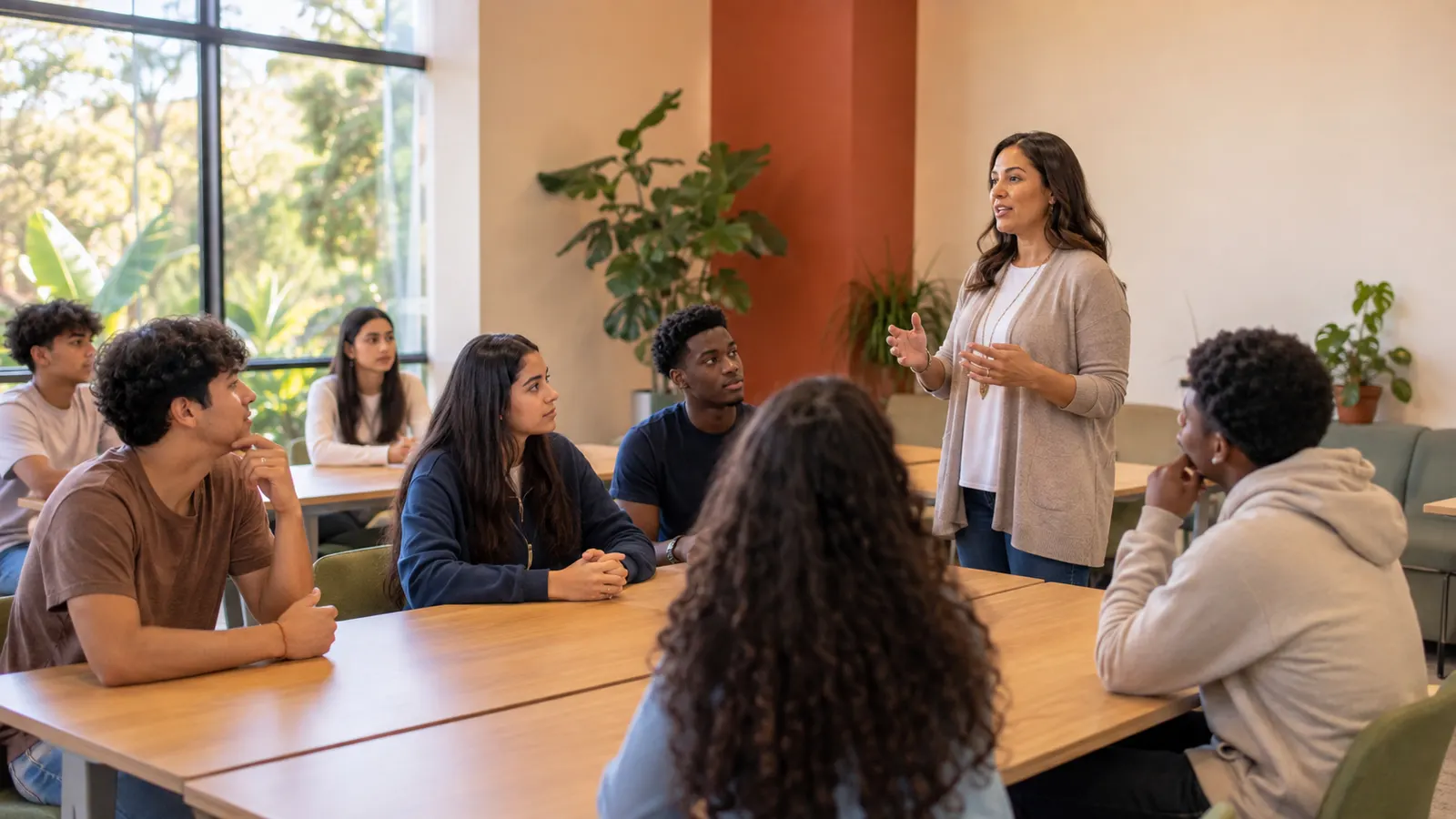
Community-based education helps fill these knowledge gaps by providing evidence-informed information presented in a respectful and supportive environment. Students are encouraged to ask questions, learn from qualified educators, and build confidence in making informed decisions based on accurate health information.
Our article on Community Education and HIV Prevention explains how educational programs contribute to healthier communities by increasing awareness, promoting prevention, and improving access to reliable information.
Supporting Healthier Communities Through Education
Sexual health education benefits not only individual students but also families, schools, and the broader community. When people understand how to make informed decisions and access appropriate resources, communities become better equipped to support healthier outcomes for everyone.
Educational programs encourage:
- Increased health awareness.
- Better communication about important health topics.
- Greater confidence when making personal decisions.
- Increased understanding of prevention strategies.
- Improved awareness of available community services.
Education empowers individuals to become active participants in protecting their own health while supporting the well-being of those around them.
Connecting Students With Trusted Community Resources
Education is most effective when students know where to turn for additional information and support. Learning about sexual health should not end after a classroom discussion or community presentation. Providing access to reliable resources encourages individuals to continue learning, ask questions, and make informed decisions as their needs change over time.
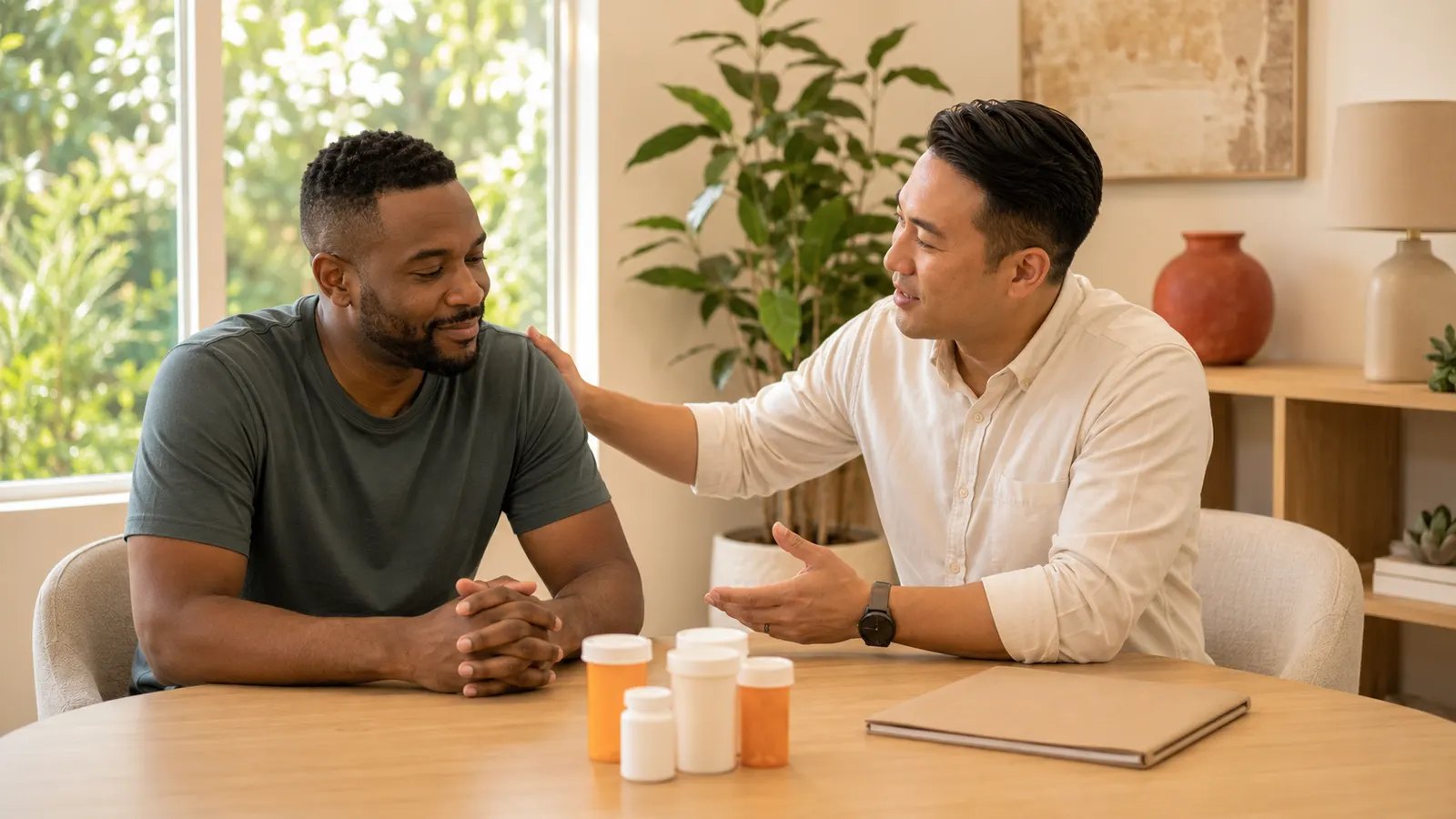
Having trusted community resources available also helps reduce barriers to seeking information. Whether someone wants to learn more about prevention, wellness, or available support services, knowing where to find accurate guidance promotes greater confidence and encourages proactive health decisions.
Our Community Resources page connects individuals with valuable information and services that support health education, prevention, and overall community well-being.
The Importance of Community Partnerships
Creating healthier communities requires collaboration between educators, healthcare professionals, families, and community organizations. Sexual health education is most effective when it is supported by partnerships that prioritize education, prevention, and equitable access to reliable information.
At Shanti Orange County, our community education efforts are designed to meet people where they are by providing culturally responsive, evidence-informed education that encourages healthier decision-making. By working alongside schools, community organizations, and local partners, we strive to increase awareness while helping individuals develop the knowledge and confidence needed to make informed choices.
These collaborative efforts strengthen communities by creating supportive environments where education is accessible, respectful, and relevant to the needs of diverse populations.
Taking the Next Step Toward Better Health Education
Access to accurate information can have a lasting impact on a person's ability to make healthy decisions throughout life. Sexual health education provides students with practical knowledge that supports personal responsibility, healthy relationships, and informed decision-making while encouraging respect for themselves and others.
Education also empowers individuals to seek reliable information when questions arise rather than relying on myths or misinformation. By continuing to learn and engage with trusted community resources, students are better prepared to navigate future health decisions with confidence.
If you would like to learn more about our educational programs or community outreach initiatives, we encourage you to Contact Shanti Orange County. Our team is committed to providing compassionate education, connecting individuals with valuable resources, and supporting healthier communities through prevention and awareness.