HIV Prevention Education in Orange County: Programs, Resources, and What You Need to Know
Searching for HIV prevention education is one of the most proactive steps you can take for your health and your community. Prevention today goes far beyond basic awareness—it’s about access to accurate information, early intervention, and ongoing support.
In Orange County, HIV prevention programs are designed to empower individuals with the tools and knowledge they need to reduce risk, make informed decisions, and support others. Whether you're looking to protect yourself or educate those around you, understanding how these programs work can make a real difference.
Detailed Breakdown
Why HIV Prevention Education Still Matters
Despite medical advancements, HIV prevention remains a critical public health priority. Education plays a key role in reducing new cases and addressing stigma.
When people engage with HIV prevention education, they gain:
- Accurate, up-to-date information
- Awareness of risk factors and prevention methods
- Confidence in making informed health decisions
Education doesn’t just protect individuals—it strengthens entire communities by promoting awareness and reducing misinformation.
What HIV Prevention Programs Include
HIV prevention programs are designed to meet people where they are, offering a range of services that go beyond traditional education.
Community-Based Education
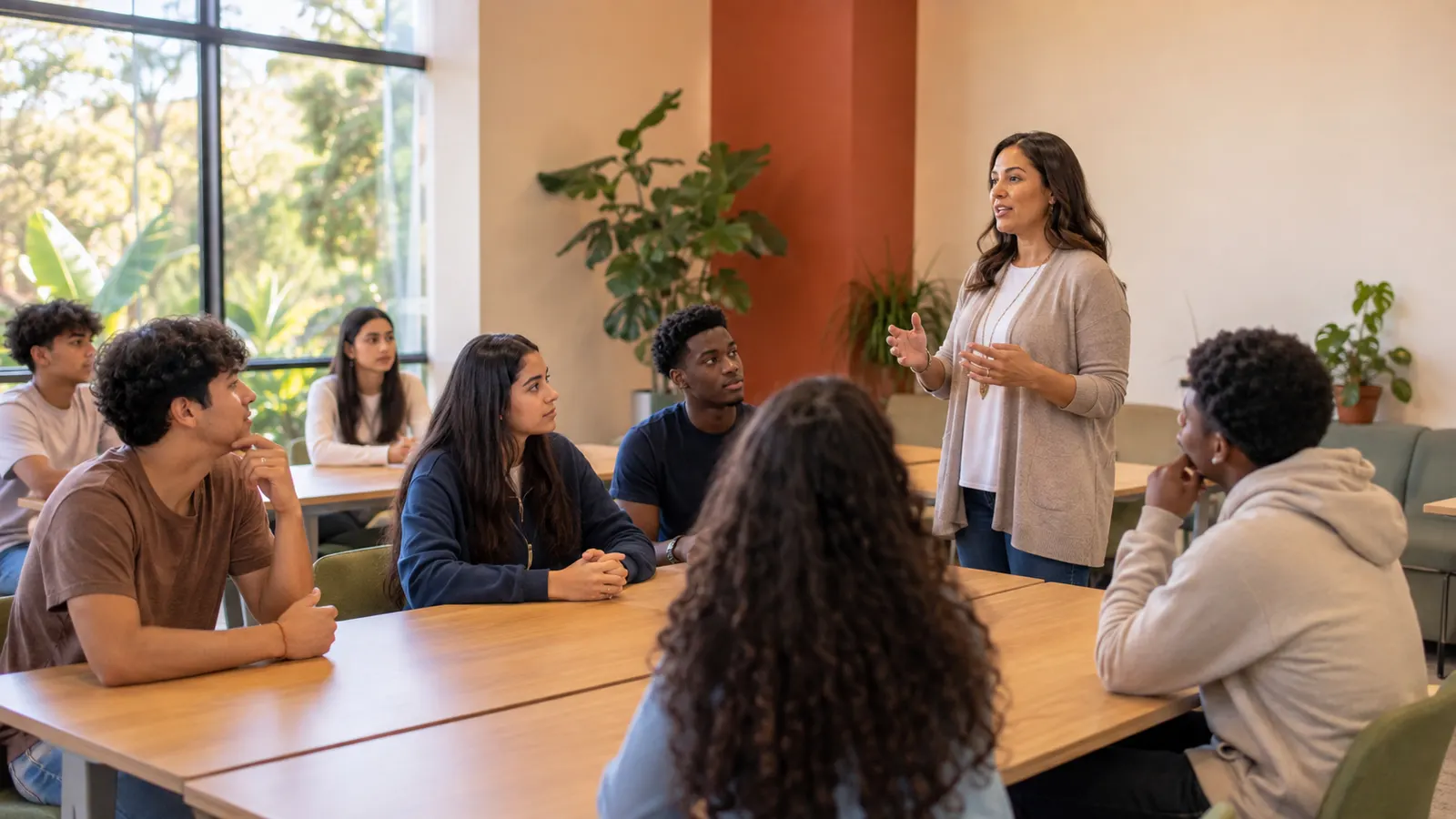
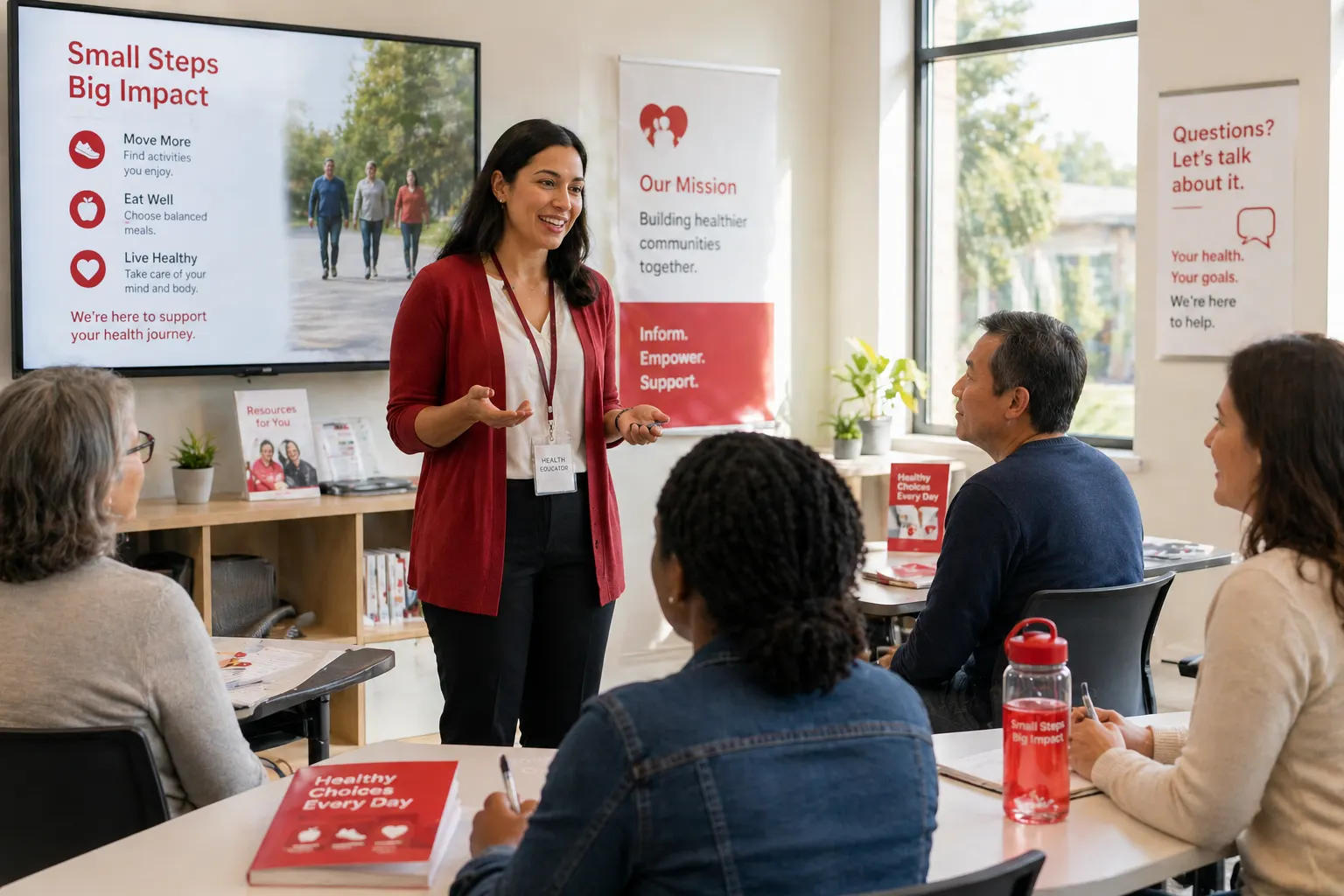
At the core of HIV prevention education are outreach and learning initiatives that provide accessible, easy-to-understand information.
Programs like community health education initiatives available here: help individuals:
- Understand how HIV is transmitted
- Learn prevention strategies
- Stay informed about available resources
These programs are often tailored to different communities to ensure relevance and accessibility.
Testing and Early Detection
Prevention isn’t just about avoiding risk—it’s also about early detection.
Many programs include:
- Free or low-cost HIV testing
- Confidential screening services
- Guidance on next steps if needed
Early detection allows individuals to begin treatment sooner, improving health outcomes and reducing transmission risk.
Access to Support Services
Prevention is more effective when individuals have access to broader support systems.
This includes services like:
- Counseling
- Case management
- Healthcare referrals
For example, personalized case management support can help individuals navigate healthcare systems and access the right services:
The Role of Mental Health in Prevention
HIV prevention isn’t just about physical health—it’s also about mental and emotional wellbeing.
Stress, stigma, and lack of support can all impact decision-making. That’s why integrating professional mental health counseling into prevention efforts is so important.
Accessing services like those available here: can help individuals:
- Manage anxiety or fear related to HIV
- Build confidence in making healthy choices
- Stay consistent with prevention strategies
Who Should Consider HIV Prevention Programs?
The short answer: everyone.
But HIV prevention education is especially important for:
- Individuals with new or multiple partners
- Communities with higher exposure risk
- People seeking more information about sexual health
- Anyone wanting to support public health awareness
Prevention is not limited to a specific group—it’s a shared responsibility.
How to Get Started with HIV Prevention Education in Orange County
If you’re looking to take action, starting is simpler than you might think.
Here’s how:
- Attend local education workshops or outreach events
- Schedule regular HIV testing
- Connect with community organizations offering prevention programs
- Seek guidance through case management or counseling services
Organizations like Shanti Orange County provide integrated programs that combine education, support, and care. Their approach ensures that individuals not only learn about prevention but also have access to the resources needed to act on that knowledge.
The Bigger Impact of Prevention Programs
Effective HIV prevention education does more than reduce transmission—it changes how communities think and talk about HIV.
It helps:
- Break down stigma
- Encourage open conversations
- Promote early intervention
- Build healthier, more informed communities
Prevention is not just about avoiding risk—it’s about creating an environment where people feel empowered to take control of their health.