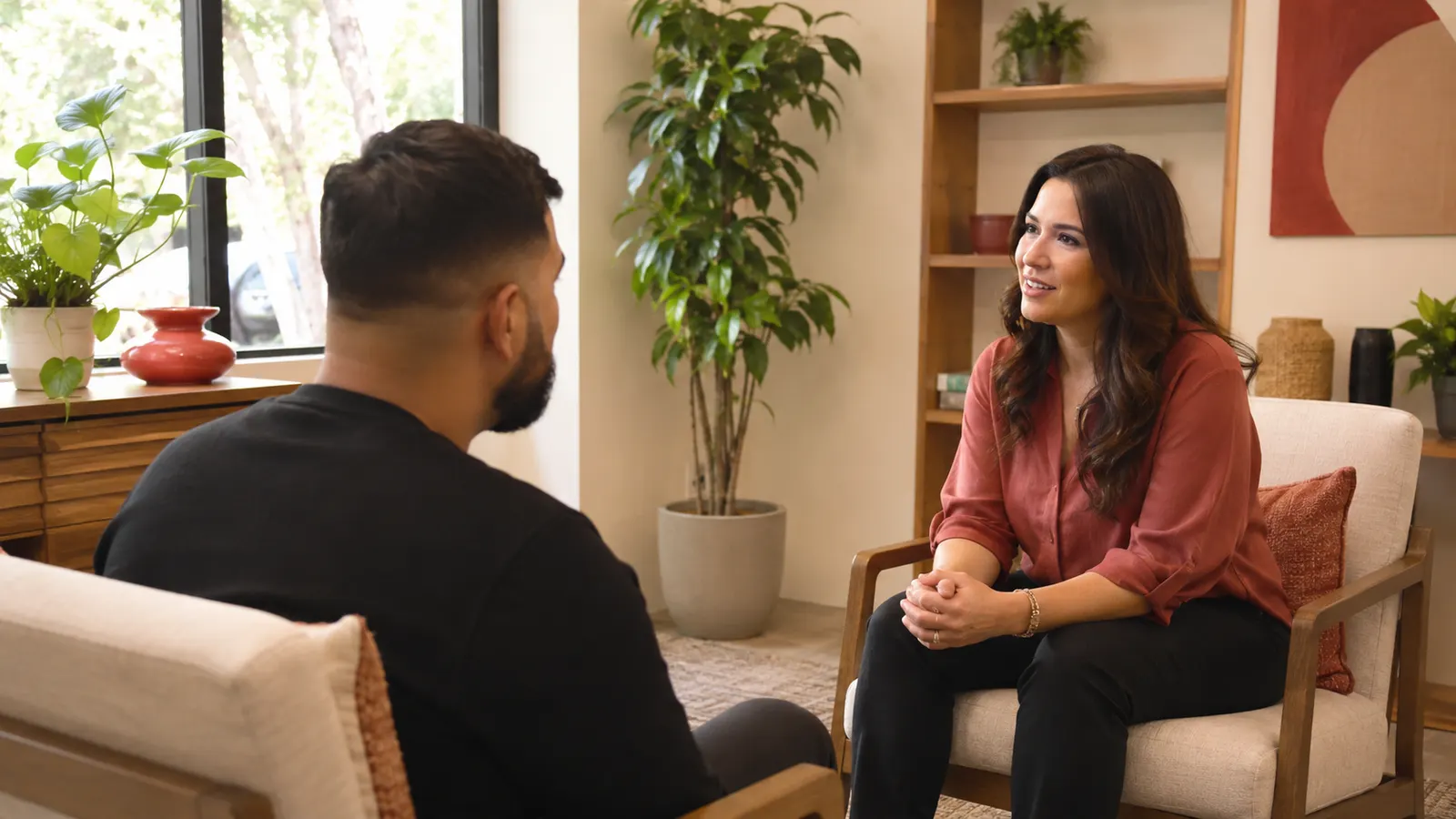
Searching for “support groups near me” usually means you’re looking for something deeper than advice—you’re looking for connection.
Whether you’re dealing with anxiety, depression, grief, or life transitions, support groups offer something that’s hard to find elsewhere: real conversations with people who actually understand what you’re going through.
That’s where organizations like Shanti OC come in. The right support group doesn’t just give you a place to talk—it gives you a space to feel heard, understood, and less alone.
If you’re trying to find a support group that truly fits, this guide will walk you through how to choose one that feels right—not forced.
Detailed Breakdown
What Support Groups Actually Offer
Support groups are more than just group conversations.
They provide:
- A safe, confidential space to share
- Connection with people facing similar challenges
- Emotional support without judgment
- Opportunities to learn from others’ experiences
When you search for support groups near me, you’re not just looking for a meeting—you’re looking for a space where you don’t have to explain everything from scratch.
Why the “Right Fit” Matters
Not every support group will feel right—and that’s normal.
The right group should:
- Feel safe and respectful
- Be guided by a trained facilitator
- Encourage participation without pressure
- Focus on shared understanding, not advice-giving
If a group feels uncomfortable or unstructured, it’s okay to try another. Finding the right support groups near you is about fit, not just availability.
Types of Support Groups You Can Explore
There are different types of groups depending on your needs.
Common categories include:
- Mental health (anxiety, depression)
- Life transitions (grief, loss, major changes)
- Health-related (chronic illness, HIV support)
- General emotional support
Structured support groups often provide the most balanced experience, combining guidance with open discussion.
In-Person vs. Virtual Groups
Both formats have their benefits.
In-person groups:
- Stronger sense of connection
- Face-to-face interaction
- More immersive experience
Virtual groups:
- More flexible scheduling
- Easier access from home
- Lower barrier to entry
When choosing between them, focus on what makes you more likely to attend consistently.
Combining Support Groups With Other Services
Support groups are powerful—but they work even better when combined with other support.
For example:
- Mental health counseling provides one-on-one guidance
- Case management services help with practical challenges
- Community education programs offer tools and coping strategies
This combination creates a more complete support system.
What to Expect in Your First Session
Walking into your first group can feel intimidating—but it’s usually simpler than expected.
Most groups follow a structure like:
- Introductions (optional participation)
- Topic or guided discussion
- Open sharing
- Closing reflections
You’re never required to share more than you’re comfortable with. Just showing up is enough to start.
Signs You’ve Found the Right Group
You’ll know a group is a good fit if:
- You feel safe and respected
- You’re able to relate to others
- The facilitator keeps things balanced
- You leave feeling slightly better—not worse
Finding the right support groups near me often takes one or two tries—but it’s worth it.
Taking the First Step
The hardest part is getting started.
If you’re ready to explore support groups near you, reaching out through the contact page is a simple way to find available options and get guidance.
You don’t need to commit long-term—you just need to try.
Common Mistakes to Avoid
- Expecting instant comfort in the first session
- Choosing a group that doesn’t match your needs
- Not giving it enough time
- Avoiding groups altogether due to uncertainty
Avoiding these can help you find the right fit faster.