Searching for “HIV case management Orange County” usually means you’re trying to figure out one thing: how to make life more manageable.
Because living with HIV isn’t just about medical care. It’s about navigating appointments, medications, housing, finances, mental health—and doing all of that without burning out.
That’s where organizations like Shanti OC step in. HIV case management isn’t just a service—it’s ongoing, structured support designed to help you stay stable, informed, and in control.
If you’ve heard the term but aren’t sure what it actually means (or whether you need it), this guide breaks it down clearly.
Detailed Breakdown
What Is HIV Case Management?
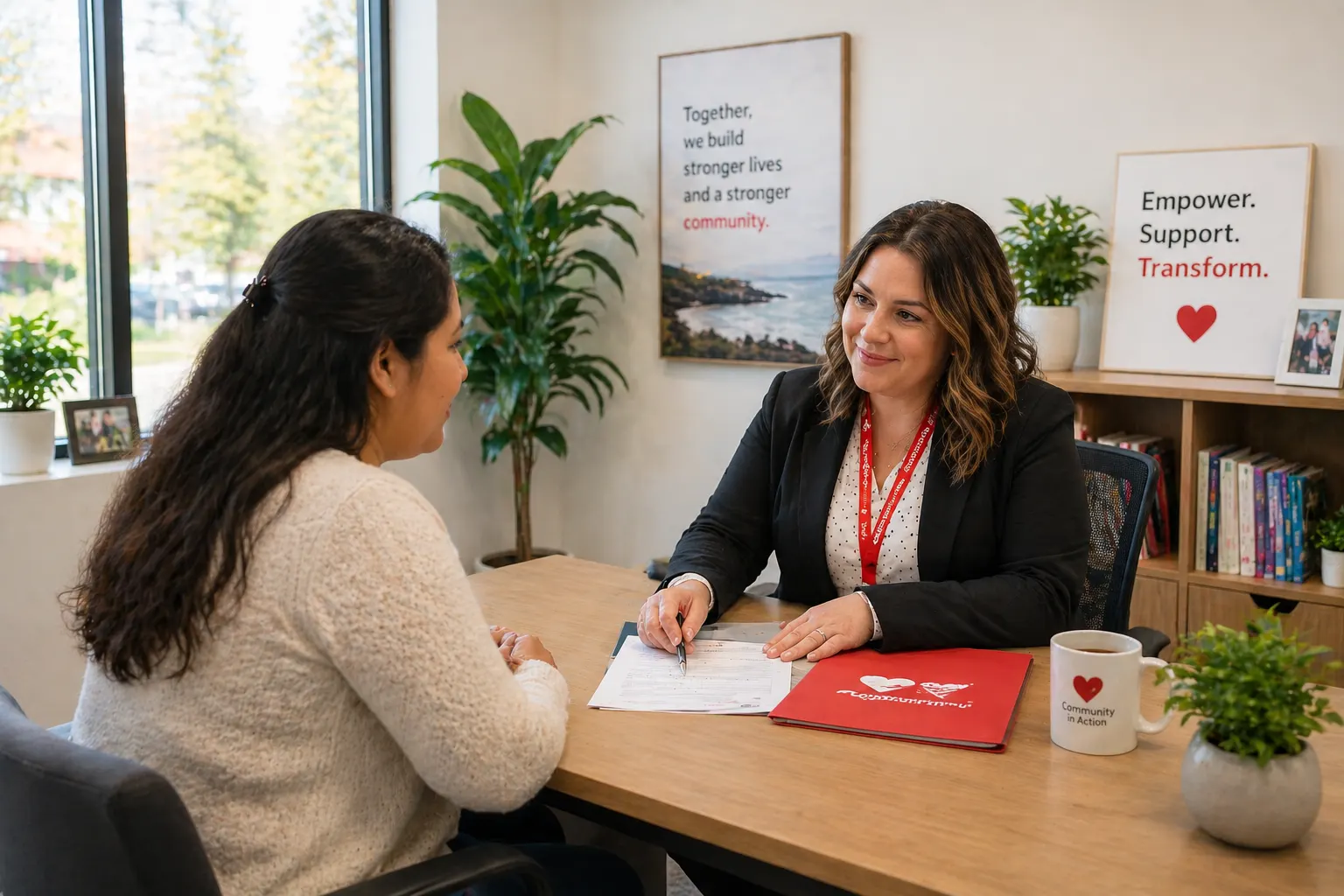
HIV case management is a service designed to help individuals living with HIV access and stay connected to the care they need.
Instead of handling everything alone, you work with a case manager who helps coordinate different parts of your life, including:
- Medical appointments and treatment plans
- Mental health support
- Housing and financial assistance
- Community resources and programs
Think of it as having someone in your corner who understands the system—and knows how to make it work for you.
Why HIV Case Management Matters
Managing HIV involves more than just taking medication.
Many people face challenges like:
- Keeping up with multiple appointments
- Understanding treatment options
- Dealing with stigma or isolation
- Navigating insurance or financial barriers
This is where HIV case management Orange County becomes essential.
It reduces the mental load of figuring everything out on your own and replaces it with structured, reliable support.
What a Case Manager Actually Does (Day-to-Day)
This is where most people get confused—so let’s make it practical.
A case manager doesn’t just “check in.” They actively help you:
Coordinate Your Care
They make sure your medical, mental health, and support services are aligned.
Connect You to Resources
From housing assistance to food programs, they help you access what’s available.
Advocate for You
If you’re struggling to get services, they help push things forward.
Keep You on Track
They help you stay consistent with appointments and treatment plans.
Provide Ongoing Support
This isn’t a one-time service—it’s continuous guidance as your needs evolve.
How Case Management Improves Quality of Life
The impact of HIV case management goes beyond logistics.
With the right support, you can:
- Reduce stress and overwhelm
- Stay consistent with treatment
- Improve mental health
- Feel more in control of your life
Many people find that once they have structured support, everything else becomes easier to manage.
Combining Case Management With Other Services
Case management works best when combined with other forms of support.
For example:
- Mental health counseling helps you process emotions and manage stress
- Support groups provide connection and shared understanding
- Community education programs help you build knowledge and skills
Together, these create a more complete support system.
Who Should Use HIV Case Management?
You don’t need to be in crisis to benefit from case management.
It’s especially helpful if you:
- Feel overwhelmed managing multiple responsibilities
- Need help accessing services
- Are newly diagnosed and unsure where to start
- Want ongoing support to stay on track
Even if things are relatively stable, having support in place can prevent future challenges.
How to Get Started
Starting is simpler than most people expect.
The first step is reaching out through the contact page. From there, you’ll typically:
- Complete an intake or initial conversation
- Discuss your needs and goals
- Get connected with a case manager
- Begin building a personalized support plan
You don’t need to have everything figured out before you start.
Common Misconceptions About HIV Case Management
“It’s only for people in crisis”
Not true. It’s for anyone who wants support navigating care and resources.
“I can handle everything on my own”
You can—but it’s harder, more stressful, and easier to miss important resources.
“It’s just referrals”
Good case management goes beyond referrals—it includes follow-through and ongoing support.